

The grain market is a major global commodity market that includes crops such as maize, rice, soybeans, wheat and other grains.
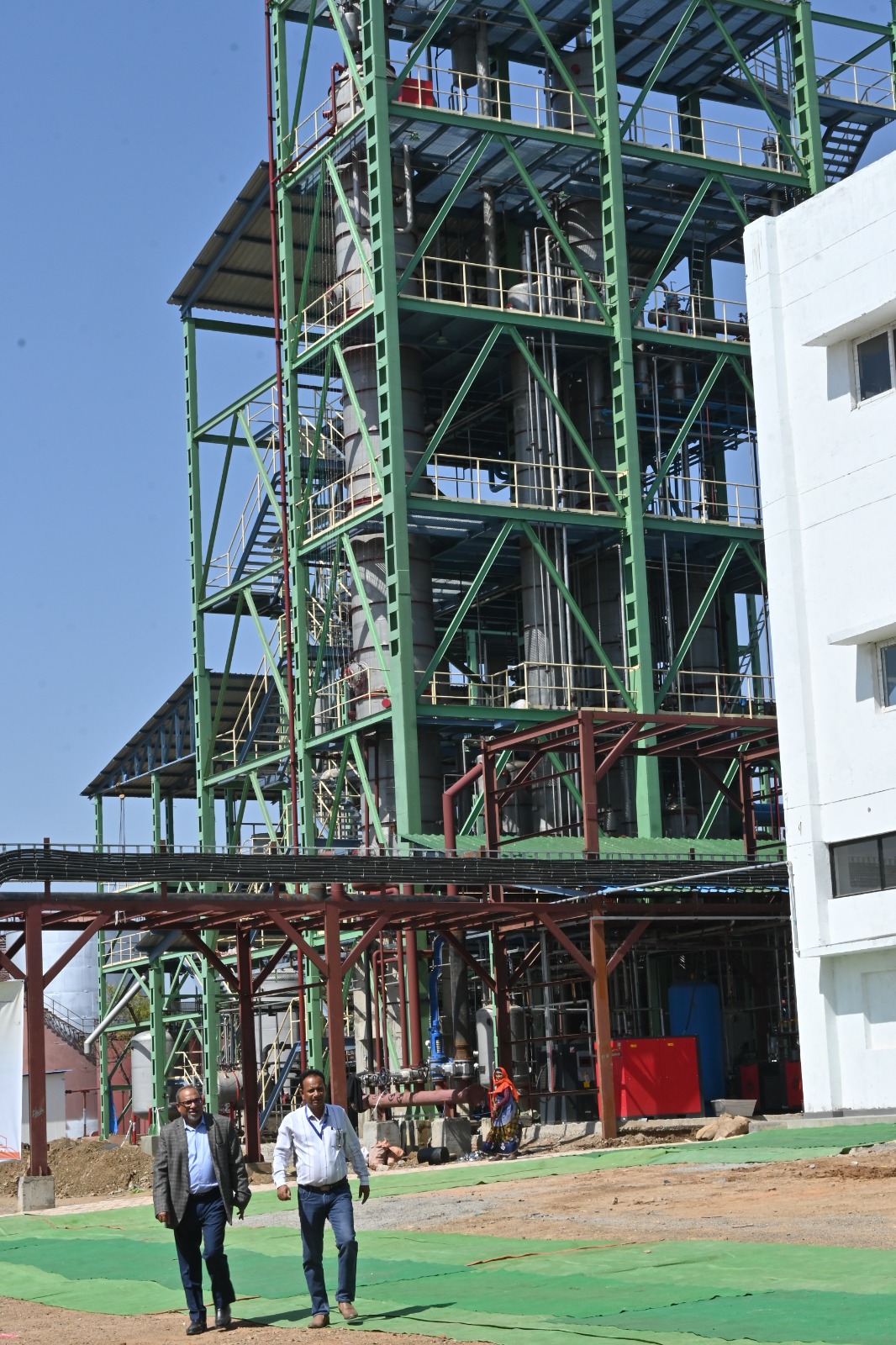
About Food Grain
Grains are the edible seeds of plants.
Food grains form the backbone of global agriculture and play a vital role in food security, economic development, and renewable energy production. Major grain crops such as maize, rice, wheat, and other cereals are cultivated worldwide and serve as essential raw materials for a wide range of industries, including food processing, animal nutrition, and biofuel manufacturing.
At Indo Nuclear Energy Private Limited (INEPL), we recognize the importance of agriculture and remain deeply committed to supporting farming communities. Our strong rural connections and sustainable business approach enable us to create additional value for farmers by developing new markets for agricultural produce beyond traditional food applications. Through our biofuel operations, we help strengthen the agricultural economy while contributing to India’s renewable energy goals.
What are Grains, and Why are they Important ?
Grains are the edible seeds of cereal plants and are among the most important agricultural commodities in the world. Rich in carbohydrates, proteins, fiber, and essential nutrients, they serve as a primary source of food for billions of people and as a key ingredient in livestock feed and industrial applications.
Beyond their role in nutrition, grains are increasingly important in the transition toward sustainable energy. Starchrich grains such as maize and broken rice can be converted into bioethanol, providing a renewable alternative to conventional fossil fuels. This creates new opportunities for farmers while supporting cleaner energy production and reducing environmental impact.
Creating Maximum Value from Every Grain
At INEPL, we are committed to utilizing every part of the grain efficiently and responsibly. Through advanced processing technologies, starch is converted into highquality fuel ethanol, while the remaining proteins, fibers, and oils are transformed into valuable coproducts such as Distillers Dried Grains with Solubles (DDGS) and other agricultural inputs. Our zero waste approach ensures that every grain delivered to our facility contributes to multiple value streams, benefiting farmers, livestock producers, industries, and the environment. By maximizing resource utilization, we help create a sustainable agricultural ecosystem that supports both rural prosperity and renewable energy development. Through innovation, sustainability, and strong partnerships with the farming community, INEPL continues to build a future where agriculture and clean energy work together to drive economic growth and environmental responsibility.
Food Grain: Any cereal grain produced for human consumption.
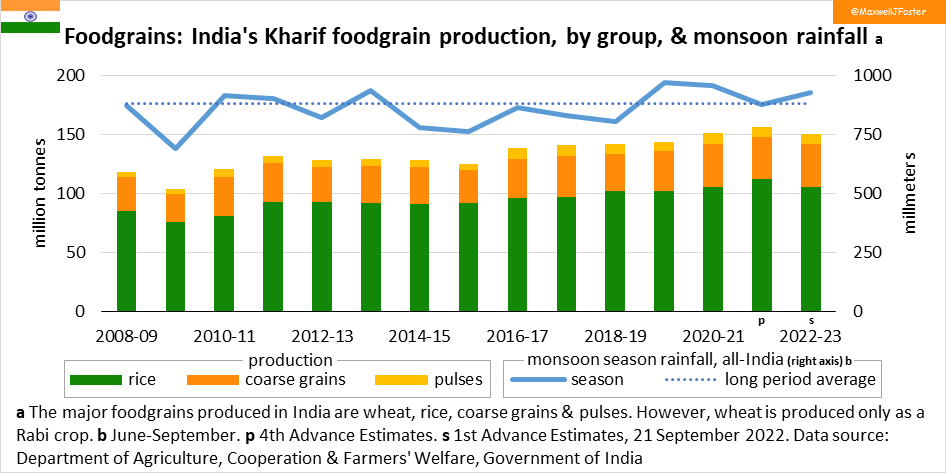
Where Does India's Grain Go?
India is one of the world’s largest agricultural producers, cultivating millions of tonnes of maize, rice, wheat, and other cereal crops each year. These grains play a critical role in supporting food security, livestock nutrition, industrial manufacturing, and renewable energy production. As India’s economy and energy demands continue to grow, agricultural feedstocks are increasingly contributing to both food and fuel ecosystems.
At Indo Nuclear Energy Private Limited (INEPL), we partner with farmers and agricultural communities to create sustainable value from locally sourced grains. By converting surplus and industrial grade grain into renewable bioethanol and other biobased products, we help strengthen rural economies while supporting India’s transition toward cleaner energy solutions.
Partnering with Farmers for Sustainable Growth
Our success is rooted in agriculture. We work closely with local farmers to procure quality grain from nearby farming regions, creating a reliable market that supports agricultural income and rural development. Through fair business practices, longterm partnerships, and transparent procurement processes, we aim to contribute to the prosperity of farming communities while ensuring a stable supply of renewable feedstocks. Beyond purchasing grain, we are committed to supporting the broader agricultural ecosystem by creating employment opportunities, encouraging valueadded processing, and fostering sustainable economic growth in rural areas.
Creating Value Beyond Bioethanol
At INEPL, grain is transformed into much more than renewable fuel. Through advanced bioprocessing technologies, we produce a range of valuable products that serve diverse industries and applications. Our portfolio includes Fuel Ethanol, Purified Alcohol, Distillers Dried Grains with Solubles (DDGS), Pure Biogenic Carbon Dioxide (BioCO₂), Corn Oil, and other sustainable biobased products. These products support industries such as food and beverage processing, pharmaceuticals, personal care, animal nutrition, water treatment, industrial manufacturing, carbon utilization, and clean energy solutions. By maximizing the value extracted from every grain, we ensure efficient resource utilization and minimize waste throughout the production cycle.
Innovation for a Sustainable Future
The future of renewable energy lies in continuous innovation. INEPL is committed to exploring new technologies and applications that expand the role of biobased products in reducing carbon emissions and promoting sustainable development. From nextgeneration biofuels to circular economy solutions, we continuously seek opportunities to transform agricultural resources into practical solutions for some of the world's most pressing environmental and energy challenges.
Rooted in Agriculture, Focused on the Future
INEPL was built on the values of hard work, innovation, and responsible resource management. Agriculture remains the foundation of our business, and we are dedicated to ensuring that farmers, communities, and future generations benefit from the opportunities created by the renewable energy sector. By connecting agriculture with clean energy, we are helping build a future that is more sustainable, energysecure, and economically resilient for India and beyond.