About Ethanol from damaged food grains
Low Carbon, Cost Effective and Made in India
Ethanol has emerged as one of the most important renewable fuels supporting India’s transition toward cleaner energy and greater energy security. Produced from agricultural feedstocks, including surplus and damaged food grains, ethanol offers a sustainable alternative to conventional fossil fuels while helping reduce greenhouse gas emissions.
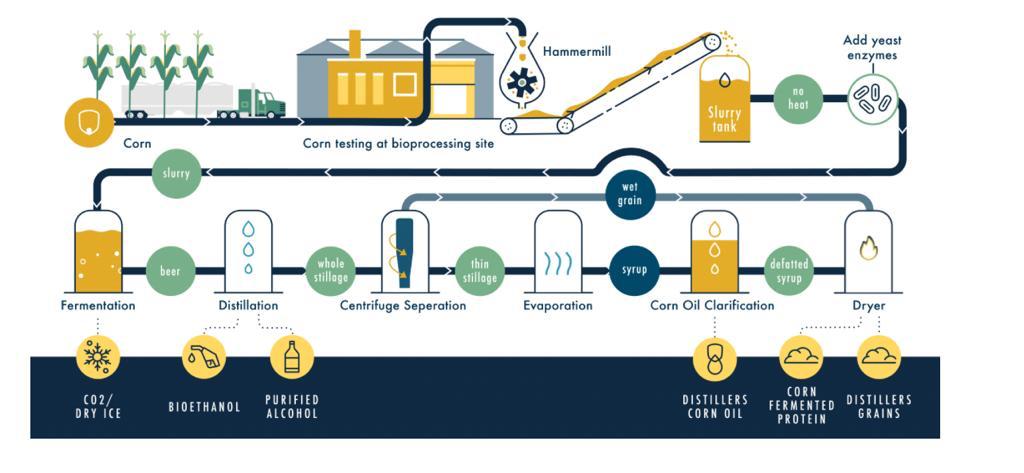
Beyond fuel production, the bioethanol manufacturing process creates additional value by converting grain components such as protein, fiber, and oil into nutrient rich coproducts used in animal nutrition. This integrated approach supports farmers, reduces waste, and promotes a circular economy.
What is Ethanol and Why Is It Important?
Ethanol is a renewable, cleanburning fuel produced through the fermentation of starchrich agricultural feedstocks. It is widely used in fuel blending programs to reduce dependence on imported crude oil, lower vehicle emissions, and strengthen domestic energy production.
As India continues to expand ethanol blending initiatives, ethanol is playing a vital role in enhancing energy security, supporting rural economies, and contributing to national sustainability goals. By utilizing damaged and surplus food grains that are unsuitable for human consumption, ethanol production also helps optimize agricultural resources and minimize waste.
Using Damaged Grains To Make Ethanol: Oil Retailers Await Norms -
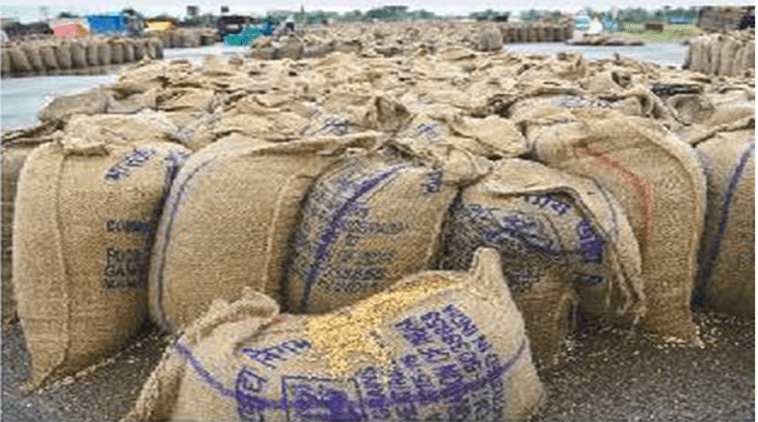
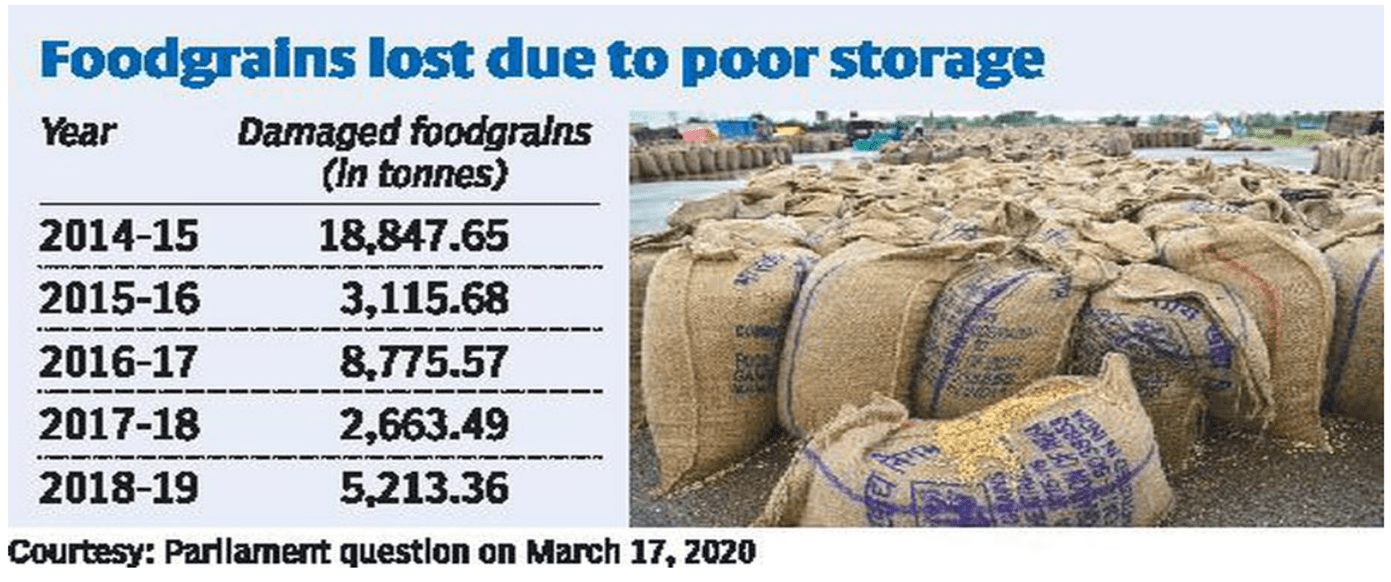
Food Grains Lost Due To Poor Storage
| Sr.No. | Year | Damaged Foodgrains(In tonnes) |
|---|---|---|
| 1 | 2014-15 | 18,847.65 |
| 2 | 2015-16 | 3,115.68 |
| 3 | 2016-17 | 8,775.57 |
| 4 | 2017-18 | 2,663.49 |
| 5 | 2018-19 | 5,213.36 |
Courtesy: Parliament question on March 17, 2020
Why Choose Biofuel
Biofuels are playing a crucial role in building a cleaner, more sustainable, and energy secure future. Produced from renewable agricultural feedstocks, ethanol helps reduce dependence on fossil fuels, lowers carbon emissions, and supports India’s growing energy needs. In addition to renewable fuel production, bioethanol facilities generate valuable coproducts that contribute to agriculture, animal nutrition, and industrial applications.
Using Damaged Grains To Make Ethanol: Oil Retailers Await Norms -
Strengthening the Economy
Ethanol blending has significantly contributed to reducing the consumption of conventional petroleum fuels, helping India lower its dependence on imported crude oil and conserve valuable foreign exchange. As ethanol blending levels continue to increase, biofuels are expected to play an even greater role in enhancing the nation's energy security and economic resilience.
Protecting the Environment
Compared to conventional petroleum fuels, ethanol offers substantially lower greenhouse gas emissions throughout its lifecycle. By utilizing renewable agricultural resources and sustainable production processes, biofuels contribute to cleaner air, reduced carbon intensity, and a lower environmental footprint.
Supporting Rural Economies
The bioethanol industry creates sustainable demand for agricultural produce while generating additional income opportunities for farmers. By sourcing grains from nearby agricultural regions, INEPL supports local farming communities, strengthens rural economies, and contributes to long term agricultural development.
The Fermentation Process
At Indo Nuclear Energy Private Limited (INEPL), ethanol is produced through a natural fermentation process enhanced by advanced enzymes and modern production technologies. During this process, starch present in grains is converted into fermentable sugars and subsequently transformed into ethanol. Our commitment to sustainability ensures that every component of the grain is utilized efficiently, maximizing value creation while minimizing waste.
Fermentation Co-Products
INEPL follows a circular economy approach by utilizing every part of the grain. In addition to ethanol production, our facility generates valuable coproducts that support livestock nutrition, industrial applications, and sustainable manufacturing
Distillers Dried Grain with Solubles (DDGS)
Bioethanol production plays an important role in creating sustainable and low-carbon feed solutions. During the fermentation process, starch and sugars are converted into ethanol, while the remaining protein, fiber, fat, and nutrients are concentrated into a valuable animal feed product known as Distillers Dried Grains with Solubles (DDGS).
DDGS offers a long shelf life and serves as an excellent source of energy and protein for livestock feed applications, including cattle, poultry, and swine. As a nutrient rich coproduct of ethanol production, DDGS supports efficient animal nutrition while maximizing the value derived from agricultural feedstocks.
Pure Biogenic Carbon Dioxide (CO2)
At Indo Nuclear Energy Private Limited (INEPL), significant quantities of high purity biogenic carbon dioxide (CO₂) are captured during the ethanol fermentation process. This renewable CO₂ is recovered, purified, and utilized in a variety of industrial, food, beverage, and environmental applications.
By capturing and utilizing fermentation derived CO₂, INEPL supports sustainable manufacturing practices and contributes to lower carbon feed, fuel, and industrial solutions.
A Look Ahead: Ethanol as a Platform Molecule
Ethanol is more than a renewable fuel it is also an important building block for the future biobased economy. Ethanol can be converted into ethylene, a versatile chemical intermediate used in the production of numerous industrial and consumer products. As technology advances, ethanol and ethylene are expected to support the development of Sustainable Aviation Fuel (SAF), renewable diesel, bioplastics, green chemicals, and other innovative lowcarbon products. These emerging applications will further strengthen the role of biobased solutions in creating a cleaner, more sustainable future.